


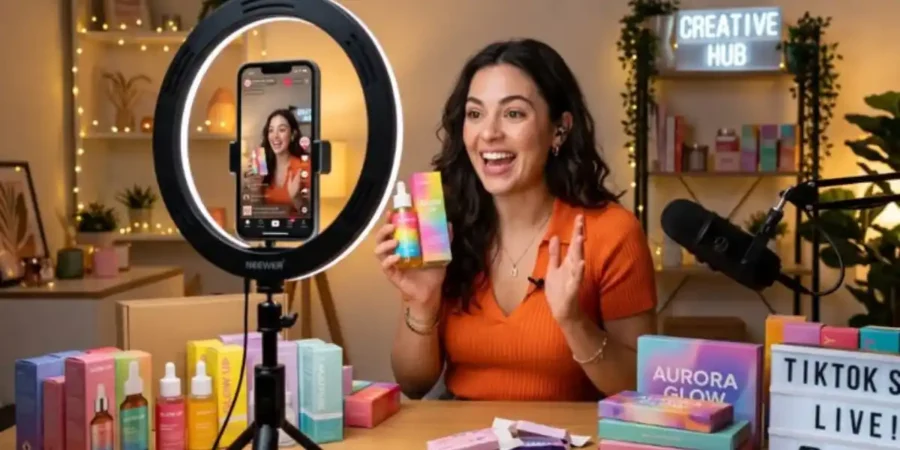
Influencer marketing has essentially been a method to find a celebrity that has a huge number of followers and get them to advocate for a product for the better part of the last decade.Influencer marketing is not new, and it’s not just about finding a celebrity with a huge following and having them promote a product for you, either. In 2026, the customers are prepared for a more personalised experience. They want creators who appear genuine, understand the puns and who don’t sound like a scripted sales pitch. As the change unfolds, it is increasingly the case for brands to look out for those creators who can resonate with their target audience.
The basic change is that people have an increasing belief in what they read. It’s also possible to make an impressive promotional video that looks great, but it may be more effective to simply be honest about a product—say, an honest video review or a real-world experience with a product—or simply the creator’s personal experience with a product. Influencer Marketing Trends 2026 is migrating away from followers and toward authenticity, relevance, community and interaction.
Relatability Is Becoming a Real Marketing Advantage
A relatable creator does not necessarily have to be famous. In fact, some of the most effective creators today are those who have built a strong connection with a specific audience. They may talk about fashion, beauty, fitness, food, travel, technology, finance, or everyday lifestyle topics, but their strength comes from understanding what their followers care about.
When audiences feel that a creator is “one of us,” recommendations can feel more natural. Instead of simply seeing a product placement, followers see how that product fits into someone’s real life.
That is where Micro Influencers are gaining attention. Smaller creators can offer brands access to focused communities where trust and relevance matter more than mass reach. Industry discussions in India are increasingly pointing toward micro and niche creators as brands move away from vanity metrics and toward stronger engagement and performance.
Real Content Is Beating Perfect Content
Social media has become crowded with highly edited videos, perfect photographs, and carefully written captions. While professional production still has its place, audiences are increasingly responding to content that feels natural.
Authentic Content can be as simple as a creator sharing an honest first impression, showing a product in their daily routine, answering follower questions, or explaining what they genuinely liked or disliked.
The point is not to make every brand collaboration look casual. It is to give creators enough creative freedom to communicate in their own voice. When the content feels like something the creator would normally post, it becomes easier for audiences to connect with it.
Community Matters More Than Just Reach
A creator’s value cannot always be measured by the number displayed below their profile picture. A smaller creator with an active and loyal community can sometimes create stronger conversations than a much larger account with passive followers.
This is why Creator Partnerships are becoming more strategic. Brands are increasingly looking for creators who can become long-term voices for their products instead of simply delivering one sponsored post.
Long-term partnerships also make collaborations feel more believable. When followers see a creator talking about a brand more than once, sharing different experiences, and continuing to use the product, the relationship can feel more genuine.
UGC Gives Brands More Ways to Connect
Another important development is the growing role of User Generated Content. Creator-style videos are no longer limited to a creator’s own social media page. Brands can use suitable content across paid campaigns, websites, product pages, social channels, and other digital touchpoints.
This gives brands more creative options while allowing creators to produce content in a style audiences already understand. The result is content that can be useful beyond a single campaign post.
Regional Creators Are Opening New Opportunities
India’s diverse audience makes relatability even more important. People connect differently depending on language, culture, location, interests, and lifestyle.
For brands working on Influencer Marketing In India, this creates an opportunity to work with regional and niche creators rather than relying only on nationally known personalities. A creator who understands a particular city, language, community, or cultural context can communicate a brand message in a way that feels much more natural.
This is particularly relevant as creator marketing expands beyond major metros and brands look for more meaningful connections with audiences across different parts of India.
From Views to Real Business Results
Another major change in 2026 is the growing focus on results. Brands are asking more questions than simply, “How many people saw the post?”
They want to know whether people saved the content, shared it, visited the website, searched for the brand, used a discount code, generated leads, or made a purchase. This is pushing Performance Marketing closer to influencer campaigns.
At the same time, AI is helping brands discover creators, organize campaigns, analyze performance, and manage large creator programs. But technology cannot replace the human element that makes creator marketing powerful. Trust still comes from personality, experience, consistency, and genuine communication.
The Future Is More Human
The creator economy is moving toward a more meaningful version of influence. Brands do not simply need creators who can generate views; they need people who can start conversations, build communities, explain products naturally, and influence decisions without sounding like traditional advertising.
For brands exploring Influencer Marketing Strategy, the lesson is clear: focus less on finding the biggest creator and more on finding the right creator. Look at audience relevance, content quality, engagement, credibility, community, and the creator’s ability to tell your brand story naturally.
In 2026, relatable creators are proving that influence is not only about being seen by more people. It is about being trusted by the right people. Digital Clinch, a trusted partner for Influencer Marketing In India, helps brands identify relevant creators, build authentic collaborations, and develop creator-led campaigns designed around meaningful audience connections and measurable growth.
Leave a Reply